Resources for anxiety, stress, and relationship challenges
Use these worksheets and exercises before starting therapy, between sessions, or anytime you need support. They're designed to help you slow down, reflect, and feel a little more grounded. Nothing here is stored or sent anywhere; interactive tools save only on your device.
No pressure, just a chance to see if this feels like a fit
Accepting new individual & couples clientsLMFT #10780613+ years of experienceLicensed in CA & FLLyra Health accepted
Who these resources are for
These tools may be helpful if you:
feel anxious, overwhelmed, or emotionally stretched thin
keep getting stuck in the same relationship conflict
want support before starting therapy for the first time
are looking for practical tools you can use between sessions
When therapy may help more than worksheets
These tools can help you slow down, reflect, and get through hard moments. If you keep running into the same anxiety, conflict, overwhelm, or emotional shutdown, therapy can help you understand the pattern more deeply and respond differently over time.
Rey Landau, LMFT San Diego · CA & FL
Warm, collaborative, and refreshingly practical
My style is warm, direct, and practical. I'll meet you with zero judgment, and I'll also gently challenge the patterns that keep you stuck. There's room for hard things here, and there's room for humor too: therapy can be serious work without feeling heavy.
Sessions feel like a focused conversation, not an interrogation
You'll leave with something to try, not just something to think about
We track your progress together, so you can actually see it working
Off the clock: working mom of two, keeper of two long-haired dachshunds, lifelong San Diegan. I know real life is messy, and I bring that honesty into the room.
New to therapy? These two make the first step feel less like a leap.
Printable
First-Session Prep Worksheet
Eight gentle prompts to help you organize your thoughts before your first therapy session, so you can arrive feeling more prepared and less on the spot.
Preparing for Your First Session
There are no wrong answers here. Jot down whatever comes to mind, bring it with you, or simply notice what surfaces as you reflect.
What's bringing me to therapy now, as opposed to six months ago?
When did I first notice this? What was happening in my life?
What have I already tried? What helped, even a little?
How is this affecting my daily life: sleep, work, relationships?
If therapy works, what would be different in six months?
What should my therapist know about me to understand me well?
What worries me about starting therapy?
One thing I'm proud of that I might forget to mention:
Best for: first-time therapy clients or anyone who finds it hard to know where to begin.
Guide
Questions to Ask on a Consultation Call
Fifteen minutes goes fast. These questions help you learn what you actually need to know, and there are no wrong ones.
"Have you worked with people dealing with what I'm dealing with?" A good therapist will answer honestly. You deserve relevant experience.
"What does a typical session with you look like?" Listen for whether their style (structured or open-ended, gentle or direct) sounds like what you need.
"How will we know it's working?" Therapists who track progress can tell you exactly how they measure it.
"What are your fees, and how does insurance work?" For me: I accept Lyra Health benefits and provide superbills as an out-of-network provider.
"How often would we meet?" There's no universal answer, but there should be a thoughtful one.
"What happens if it doesn't feel like a fit?" Fit matters more than credentials. A secure therapist will help you find someone who suits you better.
The call is also for noticing how you feel: heard? rushed? at ease? Your gut is gathering data the whole time.
Best for: anyone choosing a therapist, me or anyone else.
For racing thoughts and tense moments, calm the body first, then work with the mind.
Interactive
Box Breathing
A simple guided breathing exercise that can help your body settle when stress or anxiety starts to build.
Ready?
Follow the circle: it grows as you inhale, pauses while you hold, and shrinks as you exhale. Repeat for 6 to 8 cycles.
Best for: anxious moments, pre-meeting nerves, or winding down after stress.
Interactive
5-4-3-2-1 Grounding
A grounding exercise for moments when you feel anxious, panicky, foggy, or pulled out of the present.
5
Name 5 things you can see around you right now. Look for small details: a shadow, a texture, a color.
Then move through what you can feel, hear, smell, and taste, one sense at a time.
Best for: anxious spirals, dissociation, or feeling mentally scattered.
If you're reaching for grounding tools most days, it might help to gently explore what's underneath, together, at your pace.
Printable
Thought Record for Anxious or Self-Critical Thoughts
Notice an anxious, spiraling, or self-critical thought, slow it down, and look at it more clearly.
Thought Record
Use one row for each situation. Rate emotions from 0 to 100, then look for a more accurate and balanced perspective.
Situation
Emotion & rating
Automatic thought
Evidence for
Evidence against
Balanced thought
Re-rate emotion
The goal isn't forced positivity, it's accuracy. "I'm struggling with this and learning" is more helpful than "everything is fine."
Best for: anxiety, overthinking, harsh self-talk, or replaying difficult moments.
If the same harsh thoughts keep returning, you're not doing it wrong. Some patterns are simply easier to shift with support. Therapy can help.
Interactive
The Feelings Wheel
"Fine," "stressed," and "off" are rarely the whole story. Click from the center outward to find the word that actually fits. Naming a feeling is the first step to working with it.
Start in the middle: which of the six core feelings is closest? Then click outward to get more precise.
Research calls it "name it to tame it": putting a precise word to an emotion measurably turns down its intensity. Try it during a check-in with yourself or before a hard conversation.
Adapted from Dr. Gloria Willcox's Feeling Wheel · interactive version inspired by feelingswheel.com
Best for: anyone who answers "how are you?" with "fine," including before therapy sessions and couple check-ins.
Relationship support
Small tools for big patterns: pause the conflict, then rebuild the connection.
Interactive
20-Minute Cool-Down Timer
If an argument is escalating, take a real pause so your body has time to settle before you try again.
20:00
While you wait: no rehearsing comebacks. Walk, stretch, breathe, or step outside. The argument can wait. Your connection matters more.
Best for: couples who want to pause conflict before it gets more hurtful.
Gentle prompts for couples who want to connect more deeply than "How was your day?"
Tap "Draw a card" to begin
Best for: couples who feel disconnected, busy, or stuck in the same surface-level conversations.
Interactive
DEAR MAN Script Builder
A DBT skill for asking for what you need (or saying no) without blowing up or shutting down. Fill in each step and it builds a script you can actually say.
DEAR is what you say; MAN is how you say it. Fill in the four steps. Nothing is saved or sent; it clears when you leave the page.
D
E
A
R
Your script
Your script will appear here as you fill in the steps above.
Then deliver it with MAN. Tap each as you practice:
Best for: anyone heading into a hard conversation: a boundary, a request, an honest "no."
If the same conversations keep going sideways, we can practice them together. Therapy can help.
Interactive
Couple Satisfaction Checklist
Rate 13 areas of your relationship from very dissatisfied to very satisfied, then star the three you'd most like to change. Each partner fills it out on their own. Comparing your answers is a gentle way to start a bigger conversation.
For each area, tap how satisfied you feel: 1 = very dissatisfied, 6 = very satisfied. Then star up to three areas you most want to change. Nothing is saved or sent.
1 · Very dissatisfied6 · Very satisfied
1. Closeness, openness & sharing
2. Affection & caring
3. Sexual intimacy
4. Handling conflicts & arguments
5. Expressing anger, criticism or blame
6. Handling family finances
7. Handling parenting issues
8. Handling household tasks
9. Common interests & social life
10. Respect & admiration for your partner
11. Your role in the relationship
12. Your partner's role in the relationship
13. Overall satisfaction
Your summary will build here as you rate each area.
A gentle journaling prompt to help shift attention toward what feels steady, meaningful, or sustaining.
Tap the button for a prompt
Best for: burnout, low mood, stress, or ending the day with something more specific than "be grateful."
Interactive
Sleep Hygiene Checklist
Better sleep usually starts with small, repeatable habits. Use this checklist to see what's already helping and choose one next step.
Your checks are saved in your browser. Aim to add one habit at a time, not all at once.
Best for: anxious evenings, inconsistent sleep, or low mood made worse by exhaustion.
Rey's shelf
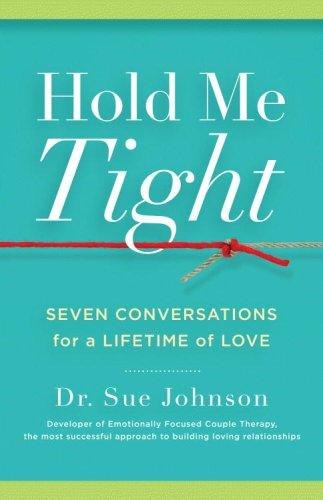
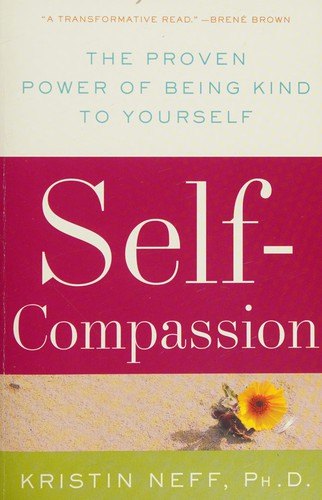
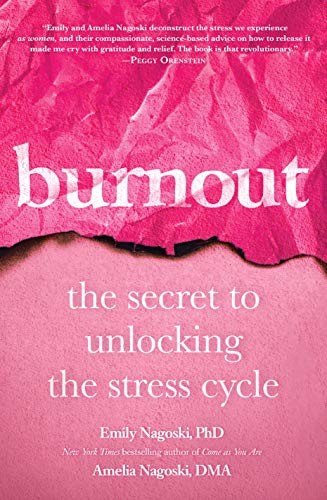
The books, podcast, and apps I most often recommend. They're meant to support reflection, not replace therapy. Take what helps, leave what doesn't, and bring anything that stirs something up into session.
Apps are practice tools, not therapy. Pick one, use it for a week, and notice what shifts.
Want help putting these into practice?
Self-help tools can be a good start. Therapy can help you understand the patterns underneath them and create change that lasts. Book a free 15-minute consultation to talk about anxiety, stress, burnout, or relationship concerns and see whether working together feels like a fit.